

Why a CCS to CHAdeMO Adapter Doesn't Exist (And What's Better)
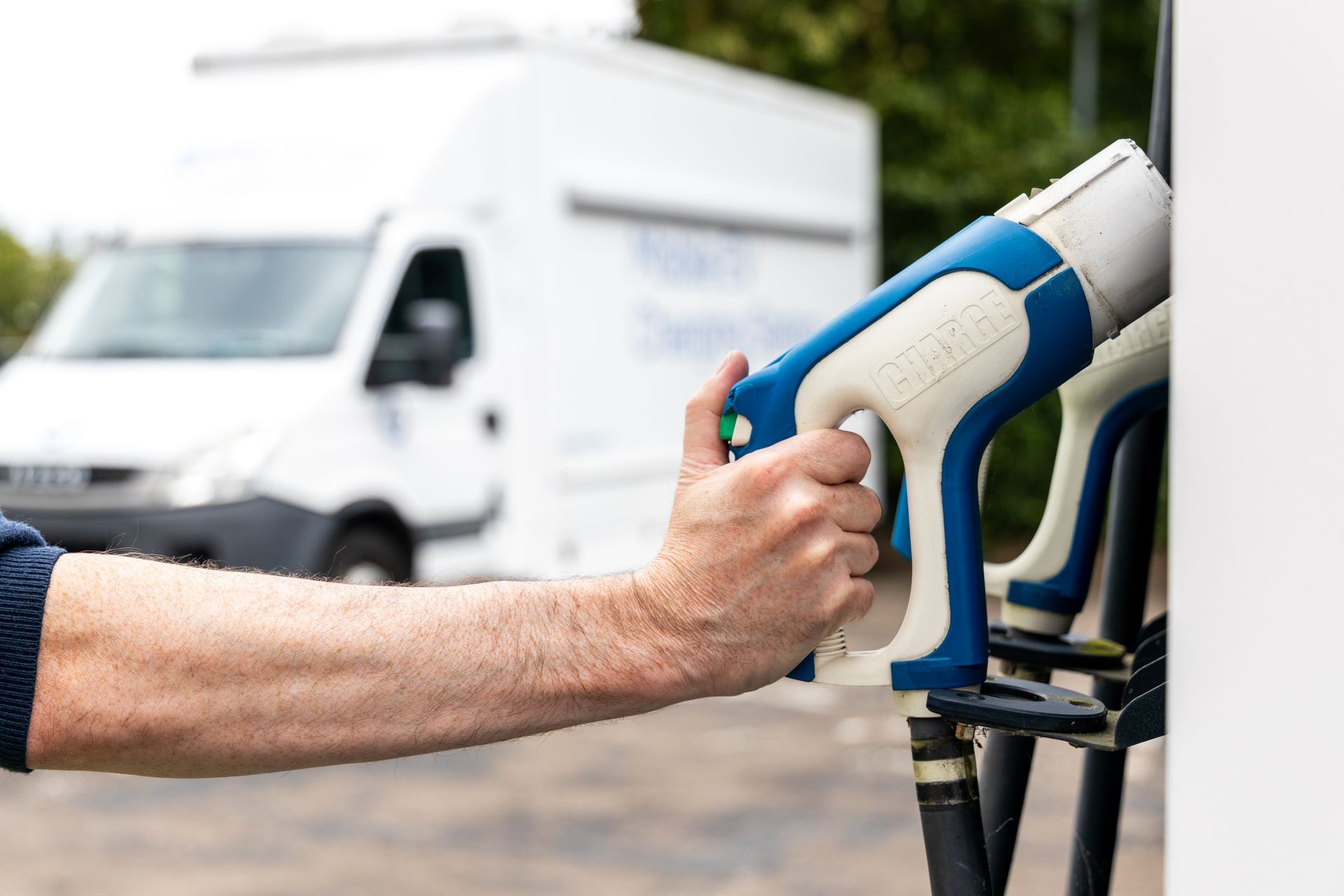
If you’ve been hunting for a CCS to CHAdeMO adapter , you have probably come up short. The simple answer is that a safe, certified version just doesn't exist for public use. This isn’t an oversight; it’s because the two standards are fundamentally incompatible, making a direct connection technically unworkable and potentially dangerous for your vehicle.
Understanding the CCS and CHAdeMO Divide
Think of it like trying to run Windows software on an Apple Mac without some seriously complex emulation software. They might both be computers but they speak entirely different digital languages and follow different rules. It’s the same with CCS and CHAdeMO. One isn't just a different plug shape; it's a completely distinct operating system for delivering high-powered direct current (DC) to your EV's battery.
This core incompatibility means a simple plastic adapter is an engineering fantasy. Before any electricity flows, your car and the charger perform a digital 'handshake' to agree on everything from payment details to battery temperature and charging speed. CCS and CHAdeMO chargers perform this crucial safety check in completely different ways. You can learn more about the technical details in our complete guide to EV charging compatibility.
To put it in perspective, let's break down the core technical differences.
Key Differences CCS vs CHAdeMO
The table below gives a quick overview of why a simple adapter just won't work. The communication protocols and even the physical pin layouts are designed for entirely different jobs.
| Feature | CCS (Combined Charging System) | CHAdeMO |
|---|---|---|
| Communication Protocol | Uses Power Line Communication (PLC) over the same pins that deliver power. | Uses a separate CAN bus system for communication, requiring dedicated pins. |
| Locking Mechanism | Vehicle-side locking mechanism, controlled by the car itself. | Charger-side locking mechanism, controlled by the charging station. |
| Connector Design | Integrates both AC and DC charging pins into a single, 'combined' connector. | Requires a completely separate connector from the AC charging port on the vehicle. |
| Vehicle-to-Grid (V2G) | V2G capability is being developed but is not as mature or widely implemented. | A pioneer in bidirectional charging, with V2G capabilities from its early days. |
As you can see, the differences go far beyond the shape of the plug. It's about how the car and charger talk, agree on safety parameters and manage the flow of energy.
Why This Matters for EV Drivers
For anyone driving a vehicle with a CHAdeMO port—like the hugely popular early Nissan Leafs—this poses a real and growing problem. The UK's public charging network is rapidly standardising around CCS, which means finding a compatible CHAdeMO rapid charger is getting harder by the day. This reality is creating a real headache for many drivers and an urgent need for a better solution.
The core issue isn't the physical connection but the digital conversation. Without a shared language for safety and power management, a direct link between CCS and CHAdeMO is not just impractical but also dangerous.
This is exactly where the idea of mobile EV charging comes into its own as a powerful, practical solution. Instead of being stuck searching for a compatible fixed charger, mobile charging brings the correct power source directly to any vehicle, anywhere. It completely sidesteps the compatibility problem, solves an immediate issue for stranded drivers and opens up a significant business opportunity for operators ready to serve this growing market.
Why a Simple Adapter Is Technically Unworkable
Ever wondered why you can find an adapter for almost any electronic device but a simple CCS-to-CHAdeMO adapter just doesn't exist? The reason goes much deeper than the physical shape of the plugs. It’s an issue of two completely different electronic languages and you can't just connect wires and hope they'll understand each other.
Think of it like this: CCS communicates using Power Line Communication (PLC) , where data hitches a ride on the same wires delivering the electricity. It’s efficient, like sending a text message. CHAdeMO, on the other hand, uses a separate, dedicated channel called a CAN bus for its data – more like making a direct phone call. It needs its own specific pins in the connector to work. You can’t just force a text message down a phone line.
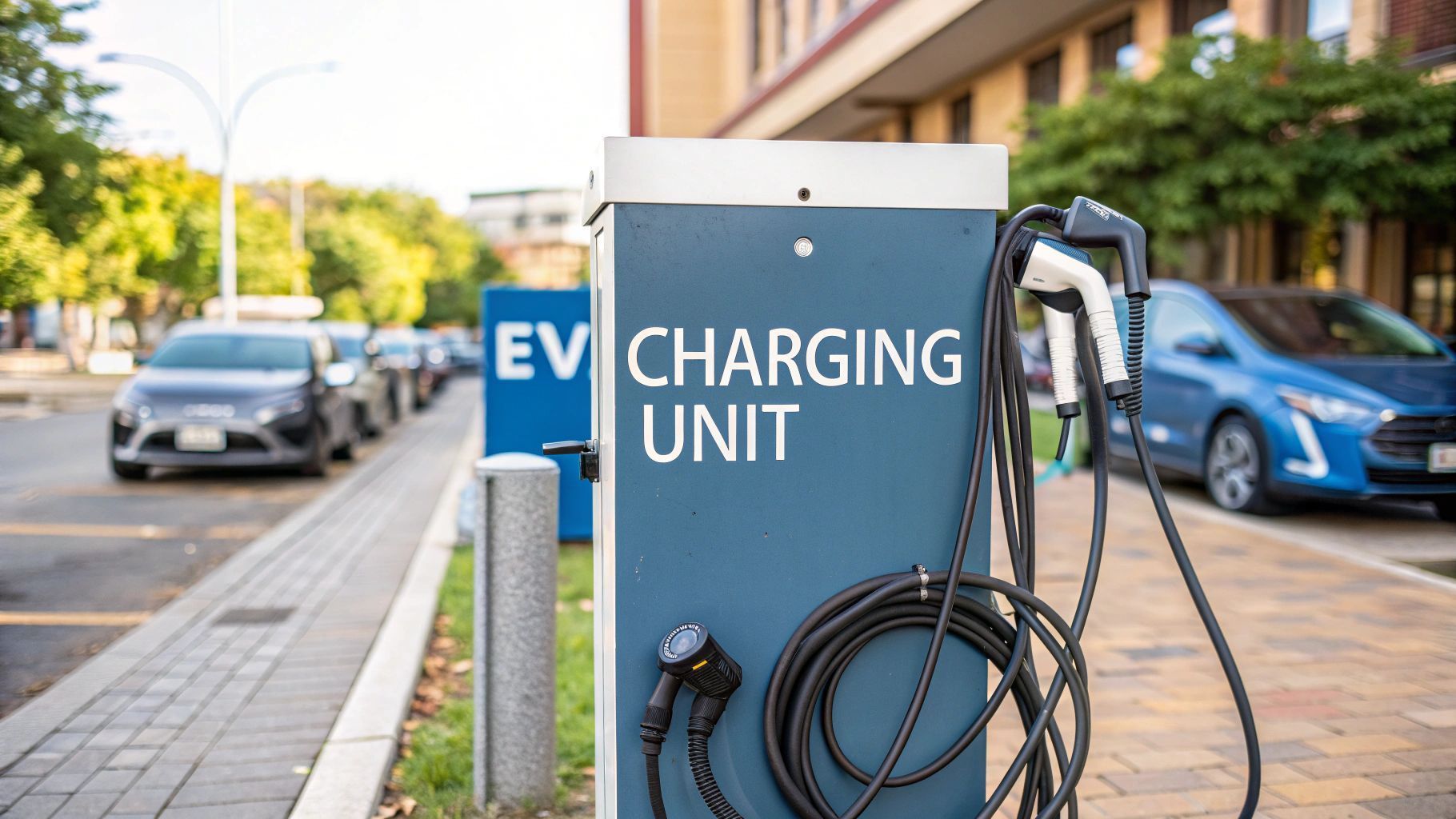
This image perfectly illustrates that fundamental disconnect.
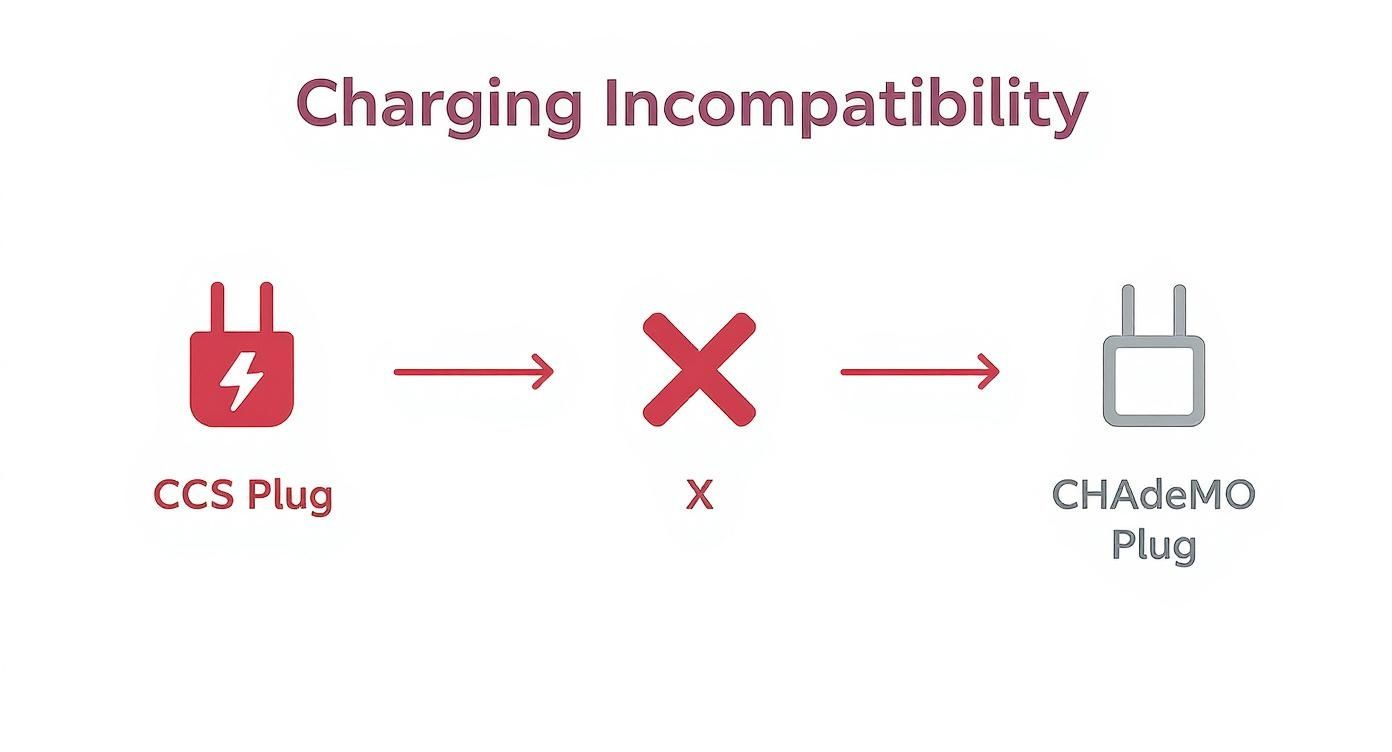
Even if you could jam the plugs together, the underlying systems are designed to be entirely separate. They simply can't talk.
The Digital Handshake Dilemma
Before even a trickle of power starts to flow, the car and the charger need to have a conversation. This is often called the 'digital handshake'—a crucial safety check that manages the entire charging session from start to finish.
This back-and-forth dialogue confirms several critical things:
- Vehicle Identification: The charger verifies it’s connected to a genuine, compatible EV.
- Battery Status: Your car reports its current charge level, battery temperature and the maximum power it can safely handle.
- Payment Authorisation: For public chargers, this is where billing information is exchanged and approved before the session starts.
- Session Monitoring: The conversation continues right through the charge, adjusting power flow in real-time to protect the battery.
Because CCS and CHAdeMO use entirely different languages for this handshake, a passive adapter would be like hiring a translator who speaks neither French nor German to mediate a conversation between a Parisian and a Berliner. It just wouldn't work. If you're curious about how this power transfer works on a deeper level, our guide to an AC to DC battery charger explains the technical side of things.
Physical and Electrical Mismatches
On top of the communication barrier, the physical connectors and their safety systems are worlds apart. CCS cleverly integrates both AC and DC pins into a single, compact plug, with a locking mechanism controlled by the vehicle itself. CHAdeMO uses a much larger, separate plug just for DC charging and its lock is controlled by the charging station.
These fundamental differences in protocol and hardware make a simple adapter impossible. It really highlights the critical impact of system incompatibility , similar to the chaos caused by putting the wrong fuel in a conventional car. Trying to force a connection with some uncertified gadget would not only fail to charge your vehicle but could also cause catastrophic damage to both your EV and the charging station.
The UK Charging Landscape Is Leaving CHAdeMO Behind
For years, the CHAdeMO standard was a familiar sight for early electric vehicle adopters in the UK, especially for drivers of pioneering models like the Nissan Leaf. These cars were trailblazers but the world of EV charging has since moved on—decisively. Today, the industry has rallied almost universally behind the Combined Charging System (CCS) as the new gold standard for DC rapid charging.
This isn't just a passing trend; it's a fundamental reshaping of the UK's public charging infrastructure. Nearly every new rapid charger being installed prioritises CCS, a decision driven by faster charging potential and its adoption by almost every modern car manufacturer. For drivers of older CHAdeMO-equipped vehicles, this is creating a very real and growing challenge.
The Decline of a Connector
Relying solely on CHAdeMO is fast becoming a risky strategy. While many older stations still have a CHAdeMO plug, these units are ageing and are often a lower maintenance priority than their CCS neighbours. It's also common to see new multi-connector hubs install two or even three CCS points for every one CHAdeMO, a clear sign of where investment and future demand are headed.
The hard data tells the same story. By 2024, CHAdeMO connectors made up less than 15% of newly installed fast chargers across Europe. More telling, usage data from UK networks revealed that CHAdeMO charge points saw up to 85% lower utilisation compared to adjacent CCS points. You can get a clearer view of this shift by exploring the state of European charging networks.
The reality for UK drivers is simple: the number of available CCS chargers is growing at an incredible pace, while the CHAdeMO network is, in comparison, shrinking. This makes planning long journeys more stressful and finding a charge in an emergency far less certain.
Why This Creates an Urgent Need
This evolving landscape leaves many drivers and fleet managers in a tight spot. A CCS to CHAdeMO adapter would seem like the perfect fix but as we've already covered, it's just not technically possible. The result is a significant chunk of the EV market facing a future with dwindling charging options.
This situation creates a pressing need for a flexible, reliable alternative. As finding a working, available CHAdeMO charger becomes more of a gamble, solutions that bypass fixed infrastructure entirely become incredibly valuable. This is precisely the problem mobile EV charging was designed to solve. It offers a lifeline to drivers, no matter their vehicle's charging standard. Instead of hunting for the right plug, the right charger comes directly to you, turning a moment of potential panic into a simple service call.
The Untapped Potential of Mobile EV Charging
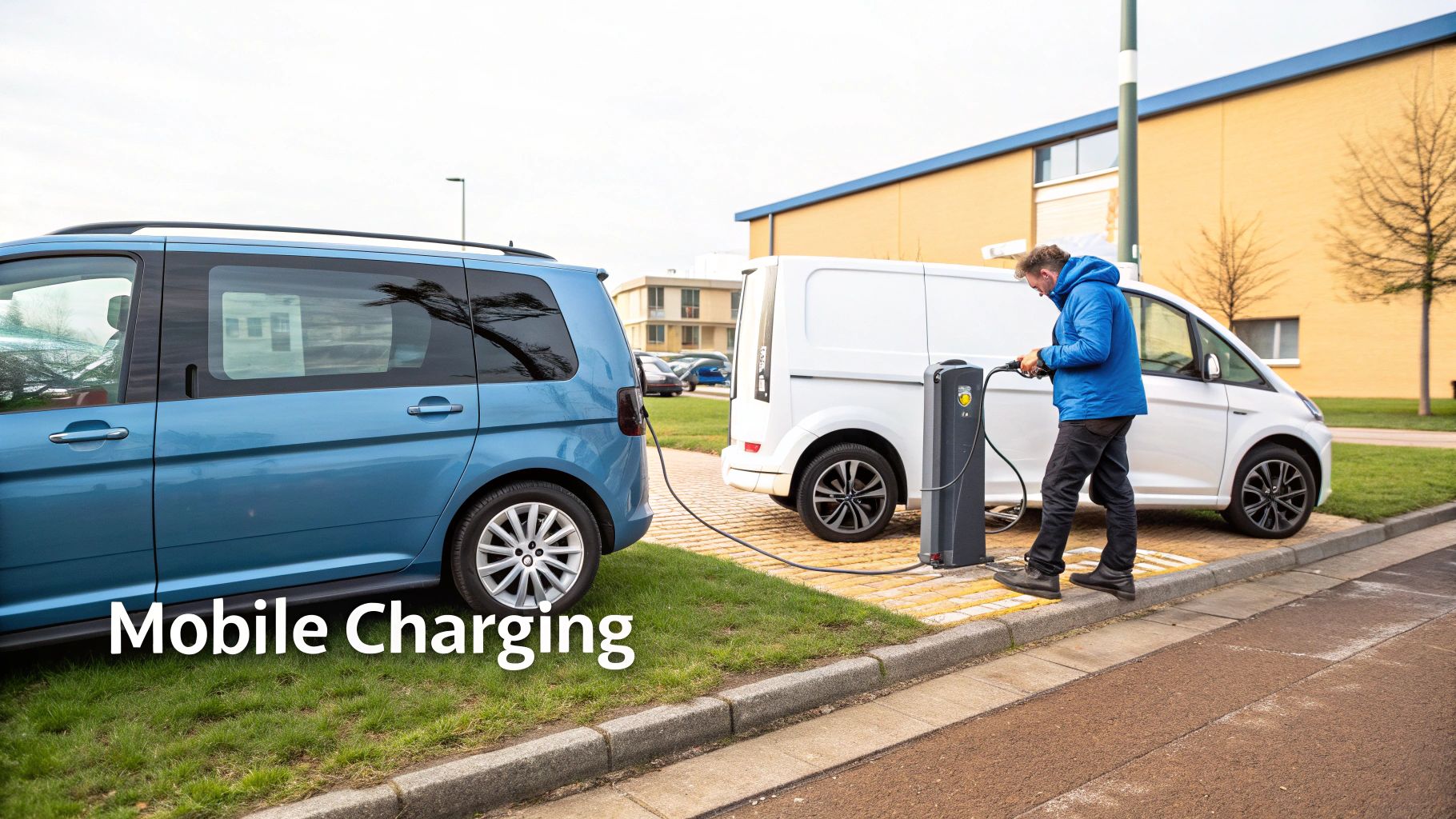
With the technical roadblocks making a simple CCS to CHAdeMO adapter a non-starter and the CHAdeMO network visibly shrinking, a far more practical and powerful alternative is stepping into the spotlight: mobile EV charging.
This isn't just a workaround; it's a complete rethink of the problem. Instead of forcing drivers to find a fixed charger, mobile charging brings the power directly to the vehicle. It's a lifeline for stranded drivers and a massive business opportunity waiting to be seized.
Forget spending hundreds of thousands on a fixed charging station, navigating planning permission and wrestling with grid connection delays. An operator can enter the market with a van equipped with a mobile DC rapid charger. Suddenly, you have a flexible, high-demand asset that can be deployed anywhere, anytime, turning a major industry headache into a profitable service.
The demand is already here and it’s growing fast. The UK's electric vehicle charging market is booming, valued at around USD 1 billion in recent years and set for huge growth towards 2030. This isn't surprising when you look at the numbers. Public charge points in the UK shot up from roughly 28,460 in 2021 to over 53,800 by the end of 2023. You can dig deeper into the data on the UK's EV charging market growth and projections.
Diverse and Lucrative Revenue Streams
The real beauty of a mobile charging business is its flexibility. You aren't locked into a single pricing model. Instead, operators can build a profitable enterprise by catering to a whole range of customer needs, delivering a much faster return on investment than static infrastructure ever could.
Here are just a few of the key revenue streams:
- Emergency Call-Out Fees: This is the most immediate market. A driver stranded with a dead battery will happily pay a premium for a rapid roadside rescue.
- Per-kWh Energy Sales: Just like a fixed charger, you bill for the energy delivered. But because you’re offering unparalleled convenience, you can justify a higher rate.
- Fleet Charging Subscriptions: Think of all the commercial fleets out there—delivery vans, taxis, you name it. They all need reliable daily charging. A mobile service can offer subscription packages to top up their vehicles at depots or during breaks, keeping their business moving.
- Event and Venue Services: Festivals, corporate events and construction sites all need power where permanent infrastructure simply doesn't exist. Providing temporary EV charging is another valuable, short-term revenue source.
Solving a Universal Problem
Let's be clear: this business model isn't just a niche solution for frustrated CHAdeMO drivers. It serves the entire EV community. Every single EV driver, no matter their connector type, has felt that jolt of range anxiety or pulled up to a public charger only to find it’s out of order.
A mobile charging service is the universal answer to these all-too-common frustrations.
A mobile charging business thrives by selling convenience and peace of mind. It transforms a driver's emergency into a routine service call, building a reputation for reliability in a market where infrastructure can often be unpredictable.
By focusing on service delivery rather than getting bogged down in property and grid connections, operators can build a scalable and highly profitable business. It addresses a genuine, widespread need with a solution that is both practical for the customer and financially rewarding for the entrepreneur. The demand is already there; the opportunity is in bringing the power to the people.
How to Profit From a Mobile Charging Business
While the hunt for a mythical CCS-to-CHAdeMO adapter might be a dead end for drivers, it shines a spotlight on a massive gap in the market for smart entrepreneurs. Launching a mobile EV charging business completely sidesteps the fixed infrastructure problem, offering a direct path to profitability by selling something every driver values: convenience and peace of mind.
The financial model is refreshingly straightforward and far more accessible than installing fixed charging points. Instead of staring down the barrel of six-figure expenses, planning permission battles and agonisingly long grid connection delays, you can get started with a suitable van and a mobile DC fast charger. This approach dramatically lowers the barrier to entry and puts you on the fast track to generating revenue.
This business is all about providing a high-value service exactly when and where it's needed most. An operator can be on the road earning money within weeks, not waiting months or even years for a static charger installation to finally go live.
Identifying Your Key Markets
Success in mobile charging isn't just about waiting for a phone to ring. It comes from strategically targeting specific, high-demand customer groups. While a stranded motorist is the most obvious customer, building a diverse client base is the key to a steady, reliable income stream.
Here are a few lucrative avenues to explore:
- Roadside Assistance Partnerships: Team up with breakdown recovery services to become their go-to EV charging provider. This creates a consistent flow of emergency call-outs from a source drivers already trust.
- Corporate Fleet Services: Offer subscription-based charging for commercial fleets. Think of all the delivery vans, taxis and service vehicles that return to the depot low on charge. A mobile service can top them up overnight or during downtime, saving the company from footing the bill for costly depot upgrades.
- Destination and Event Charging: Set up shop and provide temporary charging at hotels, conference centres, music festivals and outdoor events where permanent infrastructure is either non-existent or completely overwhelmed.
Understanding the Earning Potential
The return on investment for a mobile charging business can be incredibly quick. Unlike a fixed charger that only makes money when a car is plugged in, a mobile unit generates revenue from call-out fees, service charges and the electricity itself. You're creating multiple income streams from a single job.
The real value here isn’t just selling electricity; it’s selling time and eliminating anxiety. For a commercial fleet, a vehicle that's off the road is losing money every single minute. That makes a fast, mobile top-up an essential and highly valuable service.
To put this into perspective, let's look at how the numbers can stack up for a single operator. Even a modest number of daily call-outs can translate into significant weekly earnings, especially when you blend emergency rescues with scheduled fleet top-ups.
Potential Weekly Earnings for a Mobile Charger Operator
This table illustrates how potential revenue can scale based on different service levels and pricing strategies.
| Service Level | Daily Call-Outs | Average Revenue per Call-Out (£) | Potential Weekly Earnings (£) |
|---|---|---|---|
| Part-Time / Starter | 2 | £45 | £630 |
| Full-Time Operator | 5 | £50 | £1,750 |
| High-Demand Urban Area | 8 | £55 | £3,080 |
| Fleet & Event Specialist | 10 | £60 | £4,200 |
As you can see, the potential grows substantially as you establish your service and build a client base. For a more detailed financial breakdown, you can explore the economics of mobile EV charging in our detailed guide.
This business model isn't just a temporary fix. It's a permanent and necessary part of the evolving EV ecosystem. It solves the "charging desert" problem in rural areas, supports fleets as they transition to electric and provides a critical safety net for all EV drivers, no matter what connector their car has.
Frequently Asked Questions About EV Adapters and Mobile Charging
As the EV world expands, it’s only natural that questions about charging, compatibility and new business opportunities start popping up. We get asked a lot about adapters like the CCS to CHAdeMO adapter and the real-world practicalities of mobile charging, both for drivers and aspiring entrepreneurs. Here are some of the most common queries we tackle.
Can I Buy an Unofficial CCS to CHAdeMO Adapter?
You might stumble across experimental or uncertified devices for sale online but honestly, using one is playing with fire. These products completely bypass the mandatory safety certifications needed for public use and they can inflict serious, permanent damage on your car’s sensitive battery management system.
On top of that, plugging in an unapproved device would almost certainly void your vehicle’s warranty. In a worst-case scenario, it could create a major fire risk, putting your vehicle, the public charging station and people's safety on the line. For these reasons alone, we strongly advise against buying or using any unofficial adapters. It’s just not worth it.
What Is the Best Long-Term Plan for My CHAdeMO Car?
For now, the most solid strategy for anyone with a CHAdeMO vehicle is to plan your journeys around the reliable charging points you already know are on the network. For businesses running fleets with CHAdeMO ports, a much smarter move is investing in a dedicated workplace charger or looking into a mobile charging service. This gives you far greater control and keeps your operations running smoothly.
For individual owners, pairing public charging with a simple home charger is still the most effective long-term solution. Even with the network shifting towards CCS, there's still a huge user base for CHAdeMO. A UK study on multi-standard charger usage revealed that CHAdeMO still accounted for about 75% of charging sessions and delivered 72% of the total energy . This really highlights its ongoing importance for a whole generation of EVs. You can read more in the multi-standard charger usage study in the UK.
How Much Does a Mobile EV Charging Business Cost to Start?
Starting a mobile EV charging business costs significantly less than installing a fixed DC fast charger, which can easily run into six figures. Your main investments are a suitable van and the mobile charging unit itself.
The real advantage of a mobile charging business is the rapid return on investment. High demand and flexible pricing models mean operators can become profitable far quicker than those investing in static infrastructure.
Companies like ZAPME provide different equipment models designed to fit various budgets and operational scales, making it much more accessible to get started in this fast-growing market.
Can Mobile Chargers Charge a Car Quickly?
Absolutely. Modern mobile DC fast chargers can deliver power outputs from 40kW to over 300kW . That’s not just comparable to many fixed public rapid chargers—it's often much faster.
This kind of performance means a mobile unit can add a serious amount of range, often 50-100 miles , in less than an hour. It's the perfect solution for emergency roadside assistance or for convenient top-up charging for commercial fleets without taking vehicles off the road for hours.
Ready to turn a market gap into a profitable venture? ZAPME
offers robust, UK-designed mobile charging solutions that put you on the road to success. Explore our range of vehicle-mounted chargers and discover how you can start your own mobile EV charging business.
Learn more about ZAPME's innovative solutions