

Three Ways to Get Depot Fast Charging in Under Six Months
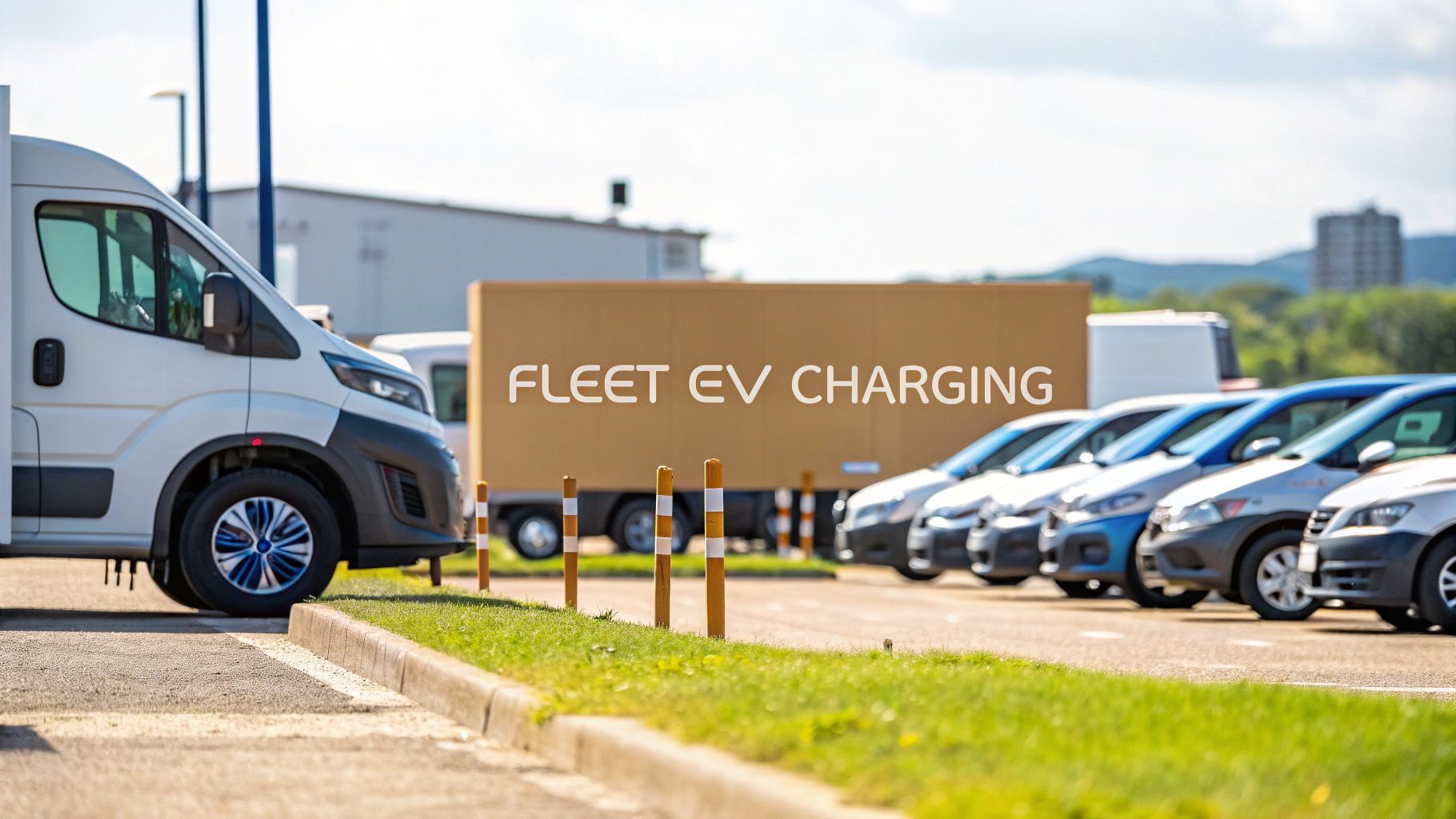
So you have made the decision to electrify the fleet, the vans are on order or already sitting in the yard, and then someone in operations asks the question that nobody wants to answer. Where exactly are these things going to charge? You ring the DNO, you get a date that sounds like a punchline, and suddenly the whole project is hostage to a grid connection that will not arrive until well after the vehicles do. It is the most common story in fleet electrification right now and almost nobody talks about it honestly.
Here is the thing. There are really only three ways to get genuine fast charging into a grid constrained depot inside six months, and they are not equal. Let me lay all three out straight, caveats and all, because the only way you trust the comparison is if I am honest about the route that is not ours.
Option one: a containerised battery buffered hub
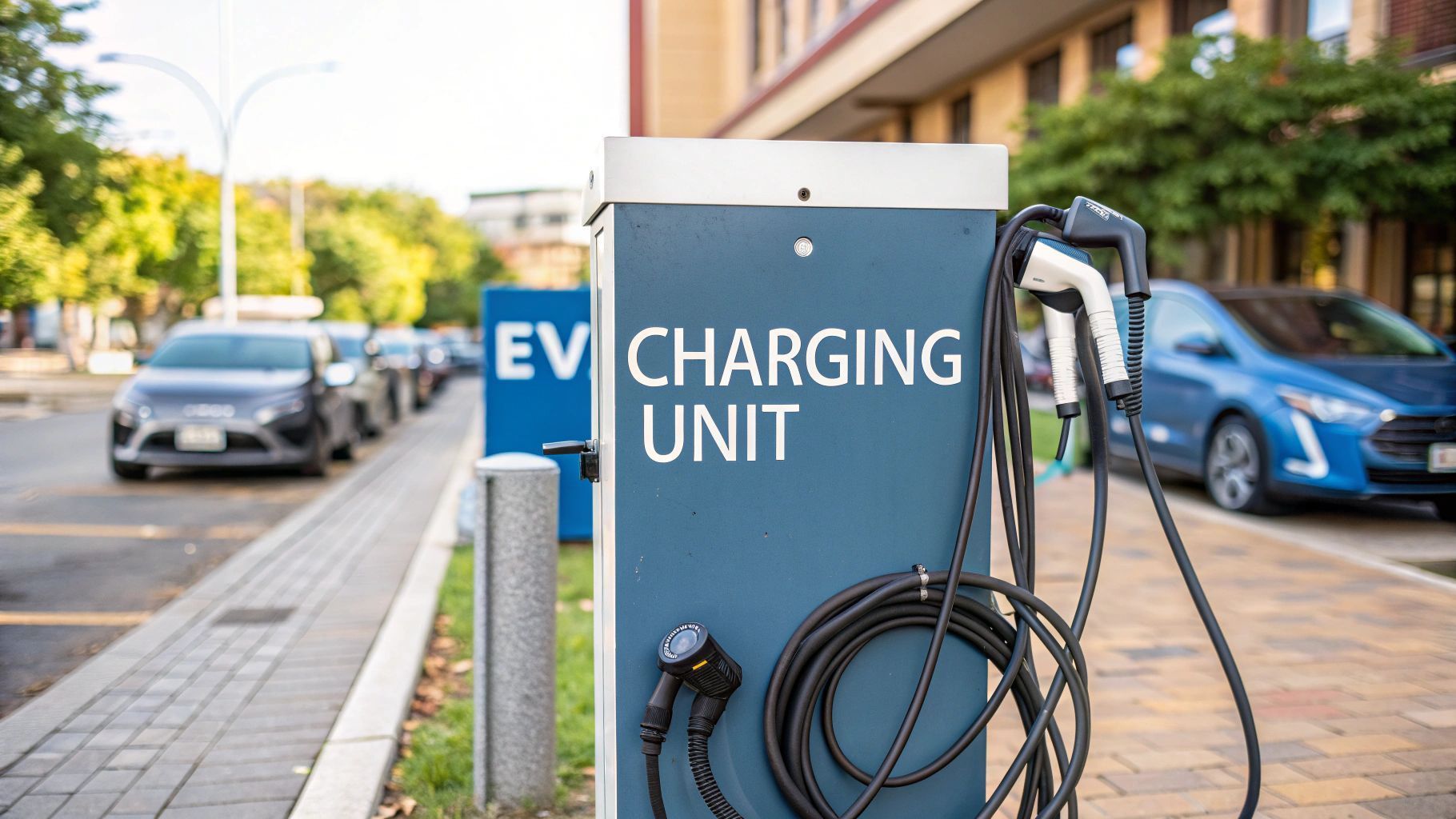
This is the FreeMe route and I will declare the interest up front. You drop a containerised unit, anything from an 8ft up to a 40ft, onto a hardstanding in the yard. It carries its own battery, it sips off whatever thin grid connection you already have, it harvests off peak energy overnight and rooftop solar through the day, and then it dispatches that stored energy fast when your vans come back needing a quick top up. No trenching, no substation, no waiting list.
The reason it works on a maxed out connection is the LTO and LFP hybrid chemistry inside. The battery does the heavy lifting at peak, so the grid never has to. You get fast charging at a rate your actual connection could never sustain on its own. Time to live is weeks not years, the capex is a fraction of a civils job, and when the fleet grows you bolt on another unit rather than reopening the whole grid conversation.
Option two: mobile and van mounted units for surge or phased rollout
Sometimes you do not want a fixed hub on day one. Maybe you are running a pilot, maybe the depot is on a short lease, maybe you only need to cover a surge when half the fleet comes back at once. This is where TitanMe Max earns its keep. A 100kWh unit pushing 200kW DC that you can move to where the demand is, charge the vans that need it, then redeploy. It is the bridge while the bigger plan settles, or the phased route if you want to electrify ten vans now and forty later without committing to the lot.
It will not give you the round the clock capacity of a fixed hub, and I am not going to pretend it does. But for surge load, for pilots and for depots that are not ready to commit, a mobile asset gets you charging this month rather than next year.
Option three: the DNO upgrade, told straight
The conventional answer. You apply for a grid connection upgrade, you wait, you pay for the cable, the transformer, the switchgear and the civils, and at the end of it you have a fat fixed connection and a yard full of chargers. I am not going to slag it off, because if you have the patience and the cash it gives you the lowest long term cost per kWh of any option here. No battery in the middle taking its cut, just grid straight into the vehicle.
The honest caveats are time and money. Connection timelines of eighteen months to three years are normal, not exceptional, and the capex runs from six figures into seven once reinstatement and statutory works are in. If your vans arrive in October, this route is not getting you charging by spring. Right?
The comparison, side by side
- Time to live: FreeMe weeks, TitanMe Max days, DNO upgrade eighteen months to three years.
- Capex: FreeMe low and leasable, TitanMe Max lowest entry, DNO upgrade high and front loaded.
- Ongoing cost: FreeMe and TitanMe carry the battery cost, DNO wins on long term unit price once it is in.
- Scalability: FreeMe and TitanMe scale modularly, DNO scales only if you sized the upgrade big enough up front.
So which wins? Option one wins on speed and capex and is the right answer for most depots. Option three wins on long term unit cost if you have the patience and the budget. Option two is the bridge or the phased play. None of them is wrong, they just answer different questions.
On the commercial side, the battery routes work either as a straight equipment lease, kit on your books or off depending on the structure, or as Energy as a Service where we fund, own and operate the hub and you simply pay for the charging. That last one takes the capex question off the table entirely, which for a lot of fleet directors is the whole point.
Get in touch: info@powerme.energy / +44 20 8050 8198 / www.powerme.energy