

NHS Trusts Are Buying EV Fleets. The Hospital Grid Says No.
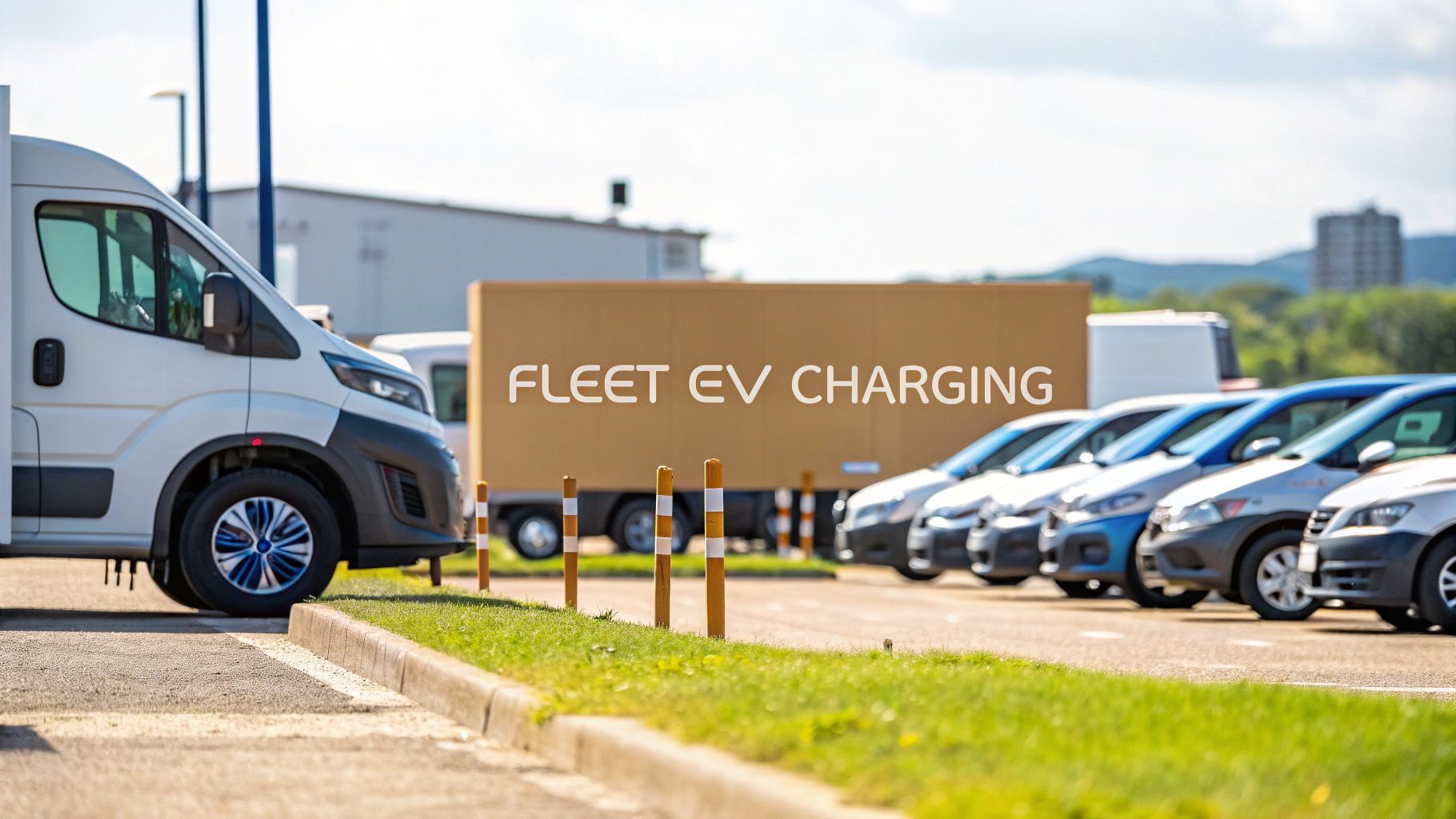
So picture the scene. The trust has just signed off on a phased switch to electric community nursing vehicles, electric patient transport, an electric pool car fleet for the management team and, somewhere in the medium term plan, the first of the new electric ambulances. The procurement papers look good. The sustainability reporting looks good. The press release looks excellent. And then somebody from estates puts their hand up and points out that the existing electrical supply at the main hospital site was sized when the most demanding piece of kit on the wards was a Belling toaster, and the day the fleet starts trying to plug in at scale, the entire trust is going to go dark.
This is the thing about NHS estates that nobody factored into the net zero plan. The buildings are old, the grids were designed for an entirely different era of clinical kit, and the connection you have got is the connection you are going to have for the next decade because the DNO queue for an upgrade at a major hospital site runs into years and the costs run into millions. You cannot rip up a hospital car park to lay a new HV cable, you cannot close a fleet depot for a substation upgrade and you certainly cannot stop running the place while the works happen. So the fleet keeps arriving, the estate cannot cope and the whole electrification plan ends up parked next to a non functional charger somebody specced before the maths got done.
The fleet is the smaller half of the problem
Here is the part the trust board has not yet seen on a single page. The fleet is the smaller half of the demand. The bigger half is the staff. NHS hospitals run round the clock and a meaningful share of the workforce drives to and from a shift in the middle of the night because there is no public transport at three in the morning, and a growing share of those staff cars are now electric. Add the visitors. Add the contractors and the suppliers. Then add the ambulances and the patient transport and the community fleet. The car park at a district general is the single biggest concentration of EV demand on the entire trust estate and nobody has costed it properly because nobody owns it as a single problem.
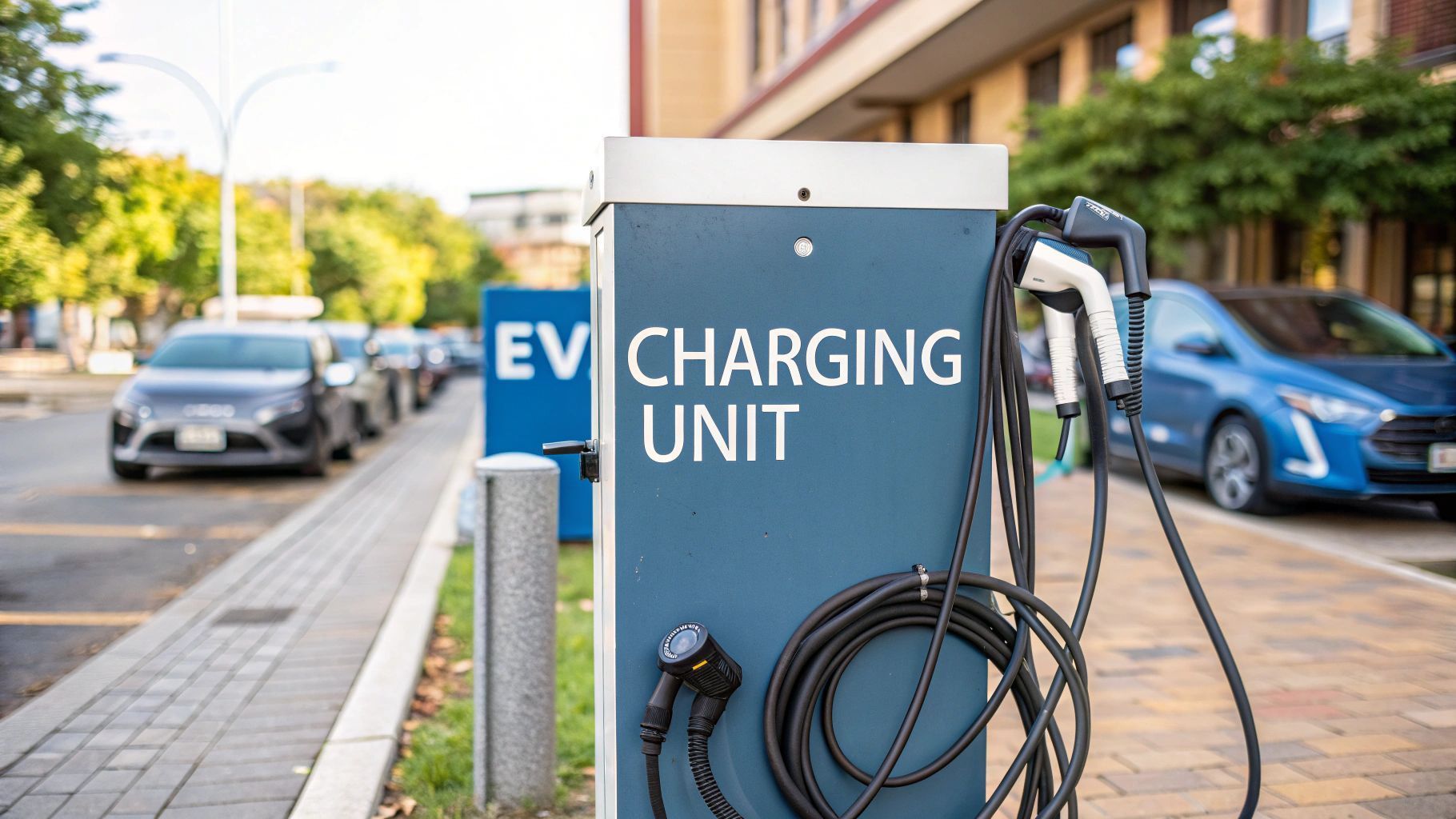
The conventional answer is to bolt some 22kW AC chargers to the lighting columns and pretend the problem is solved. It is not. Twenty two kilowatts will not keep a shift worker topped up across a twelve hour rotation and it will not turn round an ambulance between calls. What the site actually needs is rapid DC at the points where the vehicles actually sit, and rapid DC is precisely what the existing supply cannot deliver.
Why a battery is the only thing that solves the grid problem
The way out of this is not a bigger grid connection, because a bigger grid connection is not coming. The way out is a battery that sits between the connection you have got and the demand profile the cars need. Charge the battery slowly off the existing supply across the quiet hours, dispatch from the battery at the rate the vehicle actually wants when somebody plugs in. The grid never sees the peak. The site never trips. Nobody has to dig up the staff car park to lay a new cable from the substation.
FreeMe is a containerised hybrid LTO and LFP battery system that does exactly that. An 8ft or 10ft footprint sat at the side of the car park or in a corner of the fleet compound, no ground works, no cabling project, no DNO upgrade and no civil engineering on the operational hospital site. The LTO chemistry handles the peak charge rate the fleet vehicles want, the LFP chemistry handles the bulk overnight storage cycle and the same battery serves the fleet, the staff and the visitors out of one asset.
How the trust pays for it without putting capex on the balance sheet
This is the bit the finance director wants to read. Under our Energy as a Service model the trust does not pay for the kit. We fund it, deploy it and operate it. The trust provides the site, the trust takes a share of the energy revenue across staff and visitor charging and the fleet plugs in at an internal transfer rate that the trust controls. No capex, no five year payback case, no business case to lose against the next surgical robot. The whole programme moves from capital expenditure that competes with clinical priorities to a revenue line that supports them.
If the trust wants to own the asset directly, the leasing route is there too. Same kit, same deployment timeline, no DNO queue, just a monthly lease against operational savings.
The point of all of this is that you do not need to wait for the grid upgrade and you do not need to wait for capex. The fleet is coming whether the infrastructure is ready or not. The staff have already arrived. The only real question is whether the trust would rather have the problem or the revenue.
Get in touch: info@powerme.energy / +44 20 8050 8198 / www.powerme.energy